

Driving Innovation with Automotive Digital Innovation
- chakchit038
- Jun 22
- 3 min read

The automotive industry is evolving rapidly. New technologies reshape how vehicles are designed, manufactured, and operated. Digital tools and solutions drive this change. They improve efficiency, safety, and user experience. I explore how automotive digital innovation transforms the sector and what it means for businesses.
The Role of Automotive Digital Innovation
Automotive digital innovation focuses on integrating digital technologies into vehicle systems and manufacturing processes. It includes software, sensors, connectivity, and data analytics. These elements work together to create smarter, safer, and more efficient vehicles.
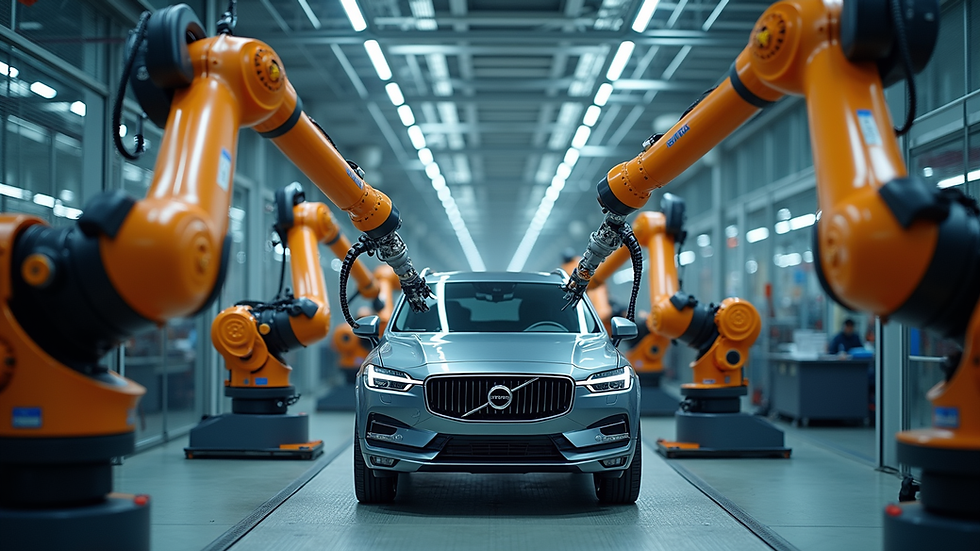
For example, digital twins simulate vehicle performance before production. This reduces errors and speeds up development. Connected cars use real-time data to enhance navigation and maintenance. Automation in factories improves precision and lowers costs.
Businesses benefit from these advances by adopting digital tools that streamline operations. They reduce downtime, optimize supply chains, and improve product quality. This innovation also supports sustainability by enabling electric vehicles and smarter energy use.
How Automotive Digital Innovation Impacts Business Operations
Digital innovation changes how companies operate in the automotive sector. It affects design, production, sales, and after-sales services. Here are key impacts:
Design and Prototyping: Digital modeling and simulation allow faster, more accurate designs. Teams can test multiple scenarios without physical prototypes.
Manufacturing: Automation and IoT devices monitor equipment and processes. This reduces waste and improves quality control.
Supply Chain Management: Real-time tracking and data analytics optimize inventory and logistics. This lowers costs and prevents delays.
Customer Experience: Connected vehicles provide personalized services and remote diagnostics. This enhances satisfaction and loyalty.
Maintenance and Repairs: Predictive analytics forecast issues before they occur. This reduces downtime and repair costs.
By embracing these innovations, businesses can stay competitive and meet evolving market demands. They also position themselves to support the growing electric vehicle market.
What is the Most Stolen EV?
Electric vehicles (EVs) are gaining popularity, but some models attract more theft attempts than others. Understanding which EVs are most targeted helps businesses and consumers improve security measures.
Currently, the most stolen EV varies by region, but popular models with high resale value or easy access to parts tend to be targeted. Thieves often exploit digital vulnerabilities or physical weaknesses.
To combat this, manufacturers and service providers invest in advanced security features. These include encrypted communication, biometric access, and GPS tracking. Businesses can also use data analytics to identify theft patterns and respond proactively.
Improving vehicle security is essential for protecting assets and maintaining customer trust in the digital automotive landscape.

Embracing Digital Automotive and EV Solutions
The shift to electric vehicles and digital systems requires new approaches. Businesses must adopt digital automotive and ev solutions that integrate hardware and software effectively.
These solutions offer:
Energy Management: Smart charging and battery monitoring optimize energy use and extend battery life.
Fleet Management: Real-time tracking and analytics improve route planning and reduce operational costs.
Data Security: Protecting vehicle and user data is critical. Solutions include secure communication protocols and regular software updates.
User Interfaces: Intuitive dashboards and mobile apps enhance driver interaction and convenience.
Implementing these solutions requires collaboration between manufacturers, software developers, and service providers. Small and mid-sized businesses can leverage these technologies to improve efficiency and customer satisfaction without complex systems.
Preparing for the Future of Automotive Innovation
The future of automotive innovation is digital and electric. Businesses must prepare by investing in technology and skills. Here are practical steps to take:
Assess Current Capabilities: Identify gaps in digital infrastructure and expertise.
Invest in Training: Equip teams with knowledge of digital tools and EV technologies.
Adopt Scalable Solutions: Choose software and hardware that grow with your business needs.
Focus on Security: Implement robust cybersecurity measures to protect data and systems.
Collaborate with Experts: Partner with technology providers to access the latest innovations.
By following these steps, businesses can navigate the transition smoothly. They will be ready to meet customer expectations and regulatory requirements.
Digital automotive innovation is not just about technology. It is about creating value through smarter, safer, and more sustainable vehicles and operations.
Driving innovation with automotive digital innovation is essential for growth and competitiveness. Embracing new technologies and solutions helps businesses streamline processes and deliver better products. The future is digital, and the time to act is now.


Comments